
Good Sleep Hygiene Habits Every Adult Should Adopt
Getting good sleep isn’t just about how many hours you rest, it’s also about the quality of your sleep. That’s where good sleep hygiene habits come in. For adults, maintaining healthy sleep routines can make a big difference in how they feel and function every day.
When you practice good sleep hygiene habits, you’re setting yourself up for deeper, more restful sleep. This helps improve focus, mood, energy levels, and even physical health. Poor sleep habits, on the other hand, can lead to constant fatigue, irritability, and a weaker immune system. Over time, lack of quality sleep may increase the risk of conditions like anxiety, depression, and heart disease. That’s why understanding and applying good sleep hygiene is so important. With just a few simple changes to your daily routine, you can support better sleep and improve your overall well-being—starting tonight.
Daily Habits That Promote Better Sleep

Sticking to a Consistent Sleep Schedule
One of the most effective ways to improve your sleep is by going to bed and waking up at the same time every day, even on weekends. This simple habit can help to train your body’s internal clock, making it easier to fall asleep and wake up naturally. When your sleep schedule is constantly changing, your body struggles to keep up, which leads to poor sleep quality and daytime tiredness.
A consistent routine creates a balanced rhythm that supports deeper and more restful sleep. Start by choosing a bedtime that allows you to get 7 to 9 hours of sleep and stick with it! If you need to adjust your schedule, do it gradually, about 15 minutes earlier or later each day. Over time, your body will adapt, and sleep will feel more natural and refreshing.
Small changes like this can make a big impact on your overall energy, focus, and well-being.
Creating a Calming Bedtime Routine
Establishing a calming bedtime routine is a powerful way to signal to your body that it’s time to slow down and prepare for sleep. You can start by choosing relaxing activities that help you feel calm and centered.
- Taking a warm shower, doing light stretches, or practicing deep breathing can ease physical tension.
- Reading a book, journaling your thoughts, or listening to soft music can help quiet your mind.
- Dimming the lights and creating a peaceful atmosphere in your bedroom also encourages your body to relax.
Try to begin your routine around the same time each night to help build consistency. Over time, these habits become cues that tell your brain it’s time to sleep. Whether it’s 15 minutes or an hour, having a nightly routine focused on relaxation can greatly improve your sleep quality and help you fall asleep more easily, setting the stage for a healthier, more restful night.
Reducing Screen Time Before Bed
To support better sleep, it’s important to limit screen time in the hour before bedtime. Phones, tablets, computers, and TVs give off blue light, which can interfere with your body’s natural ability to slow down. This type of light signals your brain to stay alert, making it harder to feel sleepy. Scrolling through social media, checking emails, or watching fast-paced shows can also keep your mind too active right before bed.
Try to avoid these habits late at night so your brain has a chance to relax. Instead, set a “screen-free” time each evening to help your body shift into rest mode. You can place your phone on silent mode an hour before bed. Avoiding screens before bed might seem difficult at first, but over time, it helps you fall asleep faster and wake up feeling more refreshed and focused.
Optimizing Your Sleep Environment
Choosing the Right Mattress and Pillows
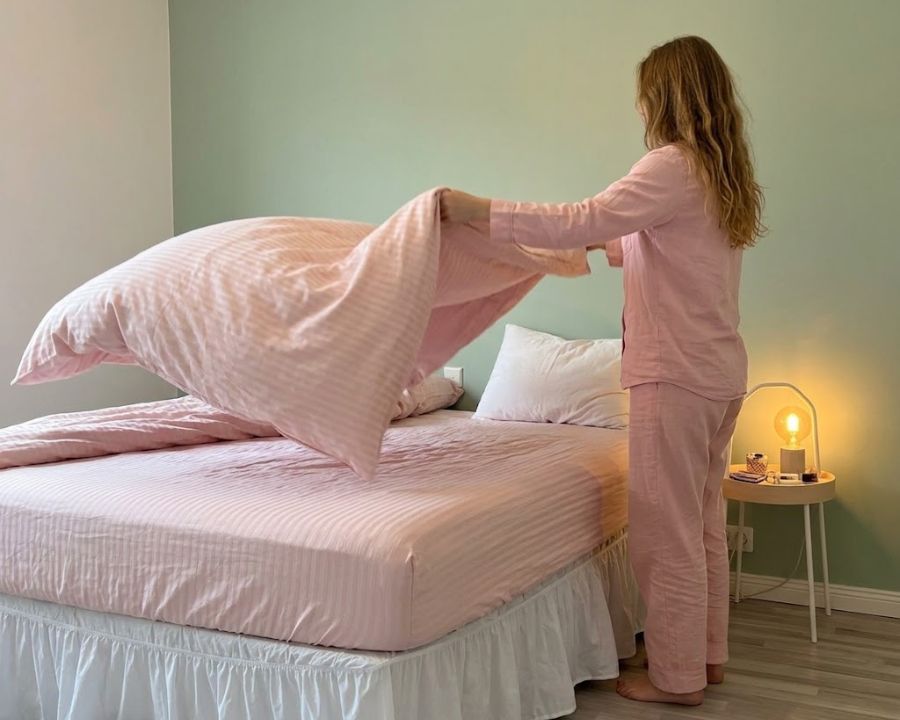
The right mattress and pillows can make a big difference in how well you sleep. A good mattress should support your body’s natural shape and help keep your spine aligned throughout the night. If your mattress is too soft or too firm, it can lead to discomfort, tossing and turning, or even back pain. Everyone’s comfort is different, so it’s important to choose a mattress that feels right for you—whether that’s memory foam, innerspring, or hybrid.
The same goes for pillows. They should support your neck and head without causing strain. Side sleepers may need firmer, thicker pillows, while back or stomach sleepers may prefer softer, flatter ones. Replacing worn-out bedding is also key, especially if it’s more than 7–10 years old. Investing in quality sleep surfaces creates a more comfortable and restful environment, helping you fall asleep faster and stay asleep longer.
Keeping Your Bedroom Cool, Quiet, and Dark
Creating the right environment in your bedroom can help you sleep more peacefully. A cool room, around 18–20°C (65–68°F), helps your body relax and fall asleep faster. Keep the space quiet by using earplugs or a white noise machine if outside sounds are disturbing. Darkness is also important—try blackout curtains or a sleep mask to block out light.
These simple changes signal your body that it’s time to rest. By keeping your bedroom cool, quiet, and dark, you set the stage for deeper, uninterrupted sleep that leaves you feeling refreshed in the morning.
Removing Distractions from the Bedroom
Creating a calm and peaceful bedroom can make it easier to relax and fall asleep. Start by keeping your space clean and clutter-free, as a tidy room promotes a clear mind. Add soft lighting, like bedside lamps or warm-toned bulbs, to create a cozy feel. Choose soothing colors for your walls and bedding, such as light blues, grays, or earthy tones. Soft curtains, plush rugs, and gentle textures can add comfort and quiet. You might also include calming elements like a diffuser with lavender or a small plant to bring a natural, peaceful vibe into the room.
Lifestyle Changes That Support Good Sleep Hygiene Habits

Staying Physically Active During the Day
Being physically active during the day can help you sleep better at night. Regular movement, like walking, stretching, or doing a workout, uses up energy and helps your body feel naturally tired when it’s time for bed. You don’t need intense exercise, just staying active in ways you enjoy can make a difference. Aim for at least 30 minutes of activity most days of the week. Whether it’s a short walk around the block, tidy up around the house, dancing around the house, or doing yoga, moving your body helps reduce stress, boost mood, and set the stage for deeper, more restful sleep.
Managing Stress and Anxiety
Managing stress and anxiety is an important part of building good sleep hygiene habits. When your mind is racing or you’re feeling overwhelmed, it’s much harder to relax and fall asleep. Practicing calming techniques during the day can help your body and mind unwind more easily at night. Simple activities like deep breathing, journaling, or taking short nature walks can make a big difference.
Another helpful method is using cognitive behavioral techniques to manage anxious thoughts and improve your mindset. These strategies focus on identifying and changing patterns that might be keeping you stuck in stress. You can also try mindfulness practices like meditation or gentle yoga to calm your nervous system. Even setting aside just 10–15 minutes a day for stress relief can lead to better sleep quality over time. Finding what works best for you can turn stressful evenings into peaceful, restful nights.
Watching Naps and Daytime Sleep
Napping during the day can be helpful, but it’s important to do it the right way to avoid hurting your nighttime sleep. Short naps (around 20 to 30 minutes) can give you a quick boost of energy and help you feel more alert without leaving you groggy. Try to take naps earlier in the day, ideally before 3 p.m., so they don’t interfere with your ability to fall asleep at night. Long or late-day naps can confuse your body’s natural sleep rhythm, making it harder to stick to a regular bedtime. If you find yourself needing frequent naps, it might be a sign that you’re not getting enough quality sleep at night. Paying attention to when and how long you nap can help improve your overall sleep hygiene. By being mindful of daytime rest, you support a more balanced and consistent sleep schedule that helps you feel better all day.